Tiny Stretch Breaks That Transform Work and Home
Welcome! Today we explore Micro-Stretch Moments for Work and Home—brief, purposeful movements that slip between emails, chores, meetings, and meals. In under two minutes, you can refresh posture, reboot focus, and melt tension without changing clothes or schedules. Expect friendly sequences, clear cues, and stories that prove small effort compounds. Try a few today, share what worked in the comments, and invite a friend to join you for a week of tiny, transformative breaks.
Why Small Movements Matter
Your body and brain thrive on variety, not marathon sessions of stillness. Tiny, frequent stretches coax blood flow, nourish joints with synovial glide, and whisper reassurance to tense muscles. They reduce the stress that quietly accumulates while you type, commute, or cook. Short breaks also sharpen attention, because movement resets sensory systems that fade during monotony. Treat them like sips of water for your posture and mind—regular, refreshing, and surprisingly powerful when practiced consistently.
Desk-Friendly Sequences
Plant your feet, lengthen through the crown, and let your shoulders melt downward. Glide your ear toward one shoulder, chin angled slightly forward, then trace a half-moon toward your collarbone. Sprinkle in precise shoulder rolls, upward then backward, emphasizing the exhale. Keep eyes soft, jaw light, and breathe into the upper ribs. Within a minute, heat builds, tension unthreads, and your neck feels longer. Finish with a gentle gaze sweep along your peripheral vision to refresh focus.
Extend one arm, palm forward, fingers pointing up, and draw gently with the opposite hand until you feel a stretch along the forearm. Flip palm down, fingers toward floor, and repeat. Interlace fingers, press palms outward, and trace tiny infinity signs with your wrists. Add thumb circles and a light grip-pulse on a soft ball or rolled sock. These precise moves counter keyboard stiffness, improve circulation, and reawaken dexterity so typing feels smoother and mouse work less demanding.
Slide to the edge of your chair, lengthen your spine, and hinge forward from the hips with a proud chest, keeping sit bones heavy. Gently draw one knee toward your chest, rotate the ankle, and switch sides. Stand, place one foot behind the other, and soften into a small hip flexor stretch while squeezing glutes. Finish with a slow standing cat-cow, breathing into your beltline. Your pelvis resets, lumbar muscles sigh, and seated aches dissolve into comfortable support.
Kitchen Counter Stretch Circuit
Place both palms on the counter, step back, and hinge until your torso parallels the floor, lengthening lats and hamstrings while breathing into your side ribs. Bend knees slightly, then press heels heavy. Add a gentle calf stretch, alternating legs, and finish with a slow spinal wave forward. Use the counter for balance during a short quad stretch, keeping hips level. These kitchen pauses deliver surprising relief while water boils, turning wait time into nourishing, posture-friendly practice.
Couch Intermission Flow
During show credits, plant feet, sit tall, and roll down one vertebra at a time against the backrest, exhaling completely. Cross one ankle over the opposite knee for a figure-four, flexing the lifted foot and breathing space into the outer hip. Stand for a gentle side bend, sliding one hand down the thigh while reaching the other arm overhead. Finish with ankle rocks and a slow neck nod. Your next episode starts with a body that feels refreshed and attentive.
Doorway Posture Check
Stand in a doorway with forearms on the frame, elbows slightly below shoulders. Step forward, lift the sternum, and breathe as your chest opens without pinching the lower back. Draw shoulder blades into back pockets and imagine a string lengthening the crown. Step back, shake out arms, then perform a gentle chin tuck and wall angel against the frame. This tiny ritual counterbalances screens, reclaims upper-back strength, and teaches your ribs to lift confidently without stress or strain.
Energy, Focus, and Mood
Two-Minute Focus Primer
Stand tall, soften knees, and take three slow nasal breaths, slightly longer on the exhale. Sweep your gaze from near to far, then trace a horizontal line with only your eyes. Add a gentle thoracic rotation with arms crossed, keeping hips square. Finish with a deliberate calf raise and slow lower. This sequence wakes proprioception, anchors posture, and sharpens visual attention so deep work feels accessible. Start every challenging task with it, then note how distractions lose power.
Afternoon Slump Rescue
When energy dips, hydrate, then perform twenty ankle pumps per side, a series of brisk shoulder blade squeezes, and a controlled forward fold with soft knees. Inhale into your back, exhale longer, and roll up slowly. Follow with elbow circles and a playful balance drill, like one-leg toe taps. These moves elevate circulation without overstimulation, turning grogginess into steady clarity. Finish by setting a simple intention for the next hour. Momentum returns because your body feels supported, not bullied.
Evening Unwind Without Screens
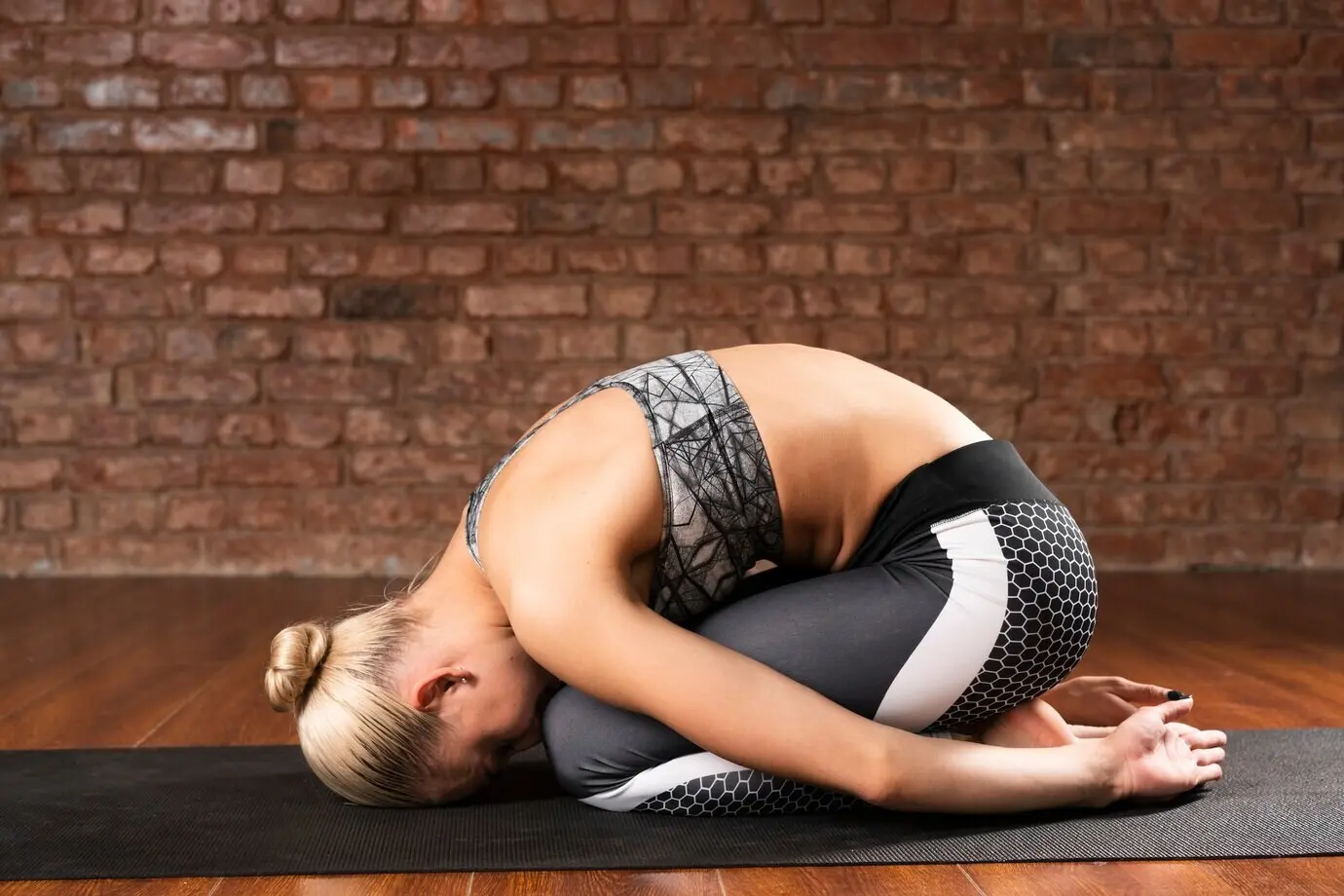
Dim the lights, place one hand on the belly and one on the chest, and breathe quietly through the nose, doubling the exhale. Slide into a gentle hip flexor stretch using a chair, keeping ribs stacked over pelvis. Add slow neck nods and a passive child’s pose against the sofa. Let your jaw soften and tongue rest. This short ritual signals safety, allowing your nervous system to downshift gracefully so sleep arrives easier and aches release before bedtime.
Habit Building That Sticks
Consistency beats intensity, especially when time is scarce. The key is attaching micro-stretches to actions you already perform, turning ordinary cues into movement invitations. Keep each sequence short, pleasant, and repeatable so willpower never becomes a bottleneck. Track the smallest wins and celebrate streaks without perfectionism. Missed one? Start again immediately. Build identity first: you are someone who moves a little, often. When the identity feels true, the routines follow naturally with almost effortless reliability.
Stacking With Daily Cues
Choose anchors you never skip: opening your laptop, brewing coffee, brushing teeth, or ending a call. Pair each with a thirty-to-ninety-second stretch you enjoy. Keep instructions visible—a sticky note, lock screen, or calendar nudge. Prioritize sensations that feel good so your brain labels the habit rewarding. Over time, the cue automatically sparks movement. You will notice fewer aches, brighter focus, and momentum that carries into bigger goals without forcing intensity or requiring complicated plans.
Micro-Tracking and Wins
Use a simple grid, a pocket notebook, or three checkboxes on your desk. Mark each tiny session completed, then write one sentence about how your body felt. The act of noticing reinforces satisfaction and clarifies which stretches deliver the best return. Keep evaluation weekly, not hourly, to prevent micromanaging. When travel, stress, or surprises intervene, shrink the target rather than quitting. Two deep breaths and one neck glide still count, preserving continuity and confidence when circumstances feel chaotic.
Accountability With Friends
Invite a colleague, partner, or group chat to try a seven-day streak. Share your favorite two-minute sequence and ask for theirs, swapping short videos or voice notes. Celebrate consistency, not flexibility extremes. Friendly check-ins keep spirits high, while diverse ideas prevent boredom. If someone misses a day, respond with encouragement and a playful reset. Community makes the habit warmer, funnier, and stickier, turning private effort into a shared ritual that brightens conversations and strengthens supportive relationships.
Listen to Signals, Not Ego
Distinguish productive sensation—gentle tug, warmth, spaciousness—from red flags like sharpness, numbness, or joint pinching. If discomfort appears, reduce range, adjust alignment, or switch exercises. Keep breath smooth; ragged breathing suggests effort is too high. Aim for relief during and after, not soreness tomorrow. Progress comes from repetition, not bravado. When you respect signals, your body grants more trust, letting flexibility and ease accumulate steadily without fear spirals or setbacks that interrupt your budding consistency.
Chair, Wall, and Floor Options
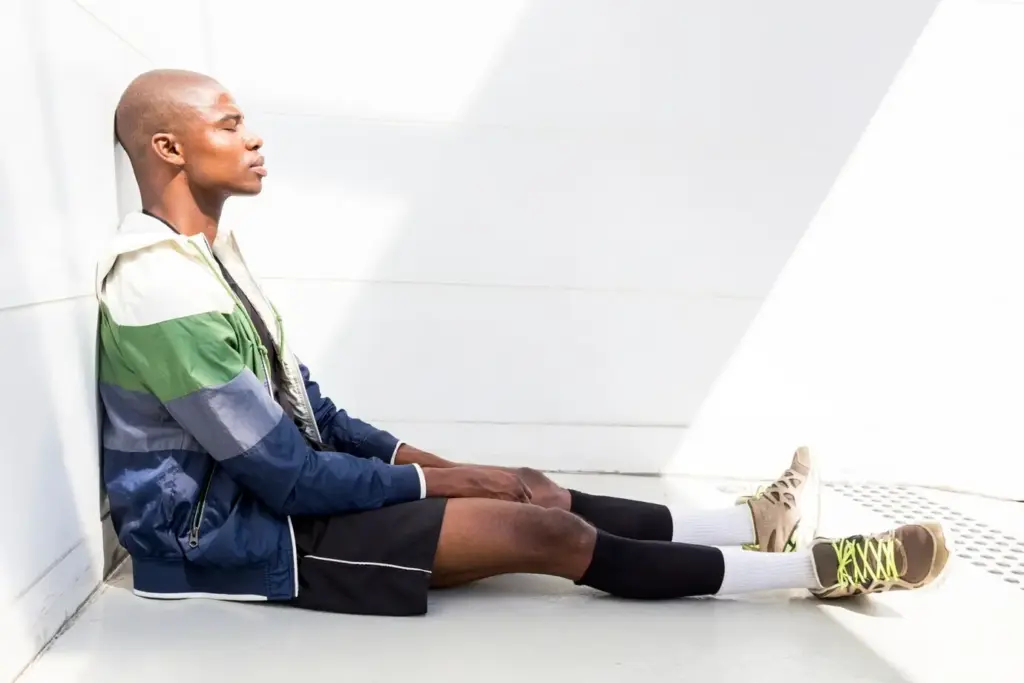
Almost every sequence adapts with simple props. Use a chair for balance during hip opens, a wall for supported calf stretches, or the floor for comfortable spinal waves with gravity assisting. Elevate hands to reduce pressure, lower hands to increase stretch gently. Modify tempo and breath depth to match energy. These options democratize movement, making relief accessible in small apartments, busy offices, or classrooms. Empowered choices encourage daily practice, because success becomes possible anywhere you find thirty quiet seconds.

All Rights Reserved.