Feel Better in 120 Seconds: Move Without Leaving Your Desk

Today we dive into Two-Minute Mobility Breaks for Desk Workers, a practical way to refresh body and mind between emails, calls, and deadlines. In just 120 seconds, you can ease stiffness, wake up circulation, and regain focus without changing clothes or leaving your workspace. Expect approachable sequences, science-backed reasons they work, and real-world habits that make movement feel inviting, doable, and even fun during the busiest days.

Why Micro-Movement Works

Short, intentional movement bursts counter the sluggish circulation and creeping stiffness that desk time quietly builds. Two-minute breaks act like a reset button for joints and nervous system alertness, restoring blood flow, reducing perceived strain, and rekindling mental clarity. Many readers share that small, frequent moves beat sporadic, intense sessions because they fit naturally into the day, reduce resistance, and keep energy stable when attention and creativity matter most.

Upper-Body Unstick

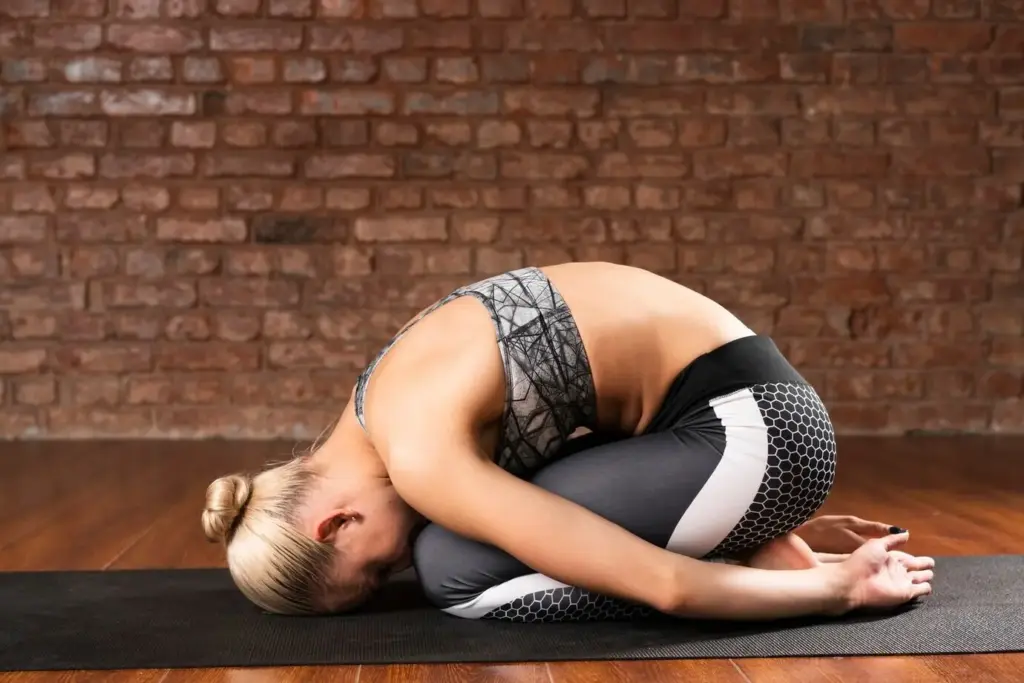
Sit tall, exhale, and let your shoulders melt. Do ten slow shoulder circles each way, then five scapular slides by gently pulling shoulder blades down and apart. Follow with wrist flexor and extensor stretches, holding each side for three breaths. Finish with a relaxed chest opener by interlacing fingers behind you or against the chair, keeping ribs soft while you feel spacious across the front.

Lower-Body Wake-Up

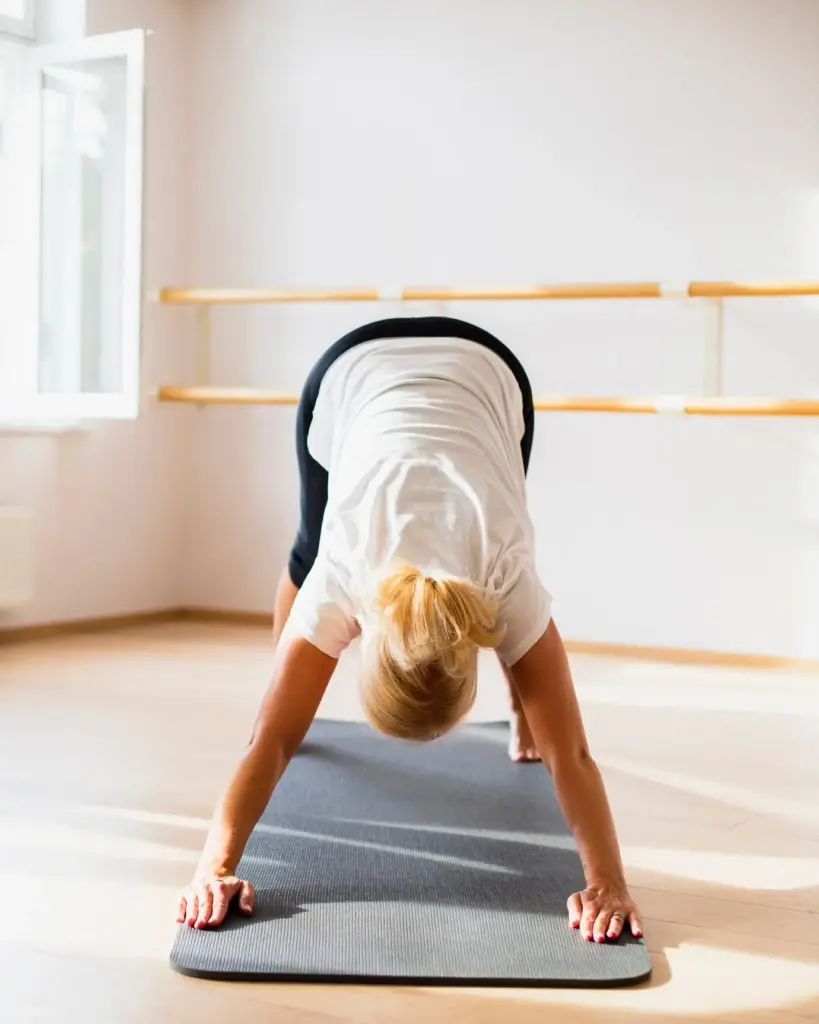
Stand, perform eight sit-to-stands with a slow eccentric lower. Next, draw the alphabet with each ankle, keeping knees still to mobilize feet and lower legs. Step one foot back into a gentle hip-flexor stretch, glutes lightly active, breathing steadily. Finish with five controlled hip hinges, hands on hips, feeling length in hamstrings while maintaining a neutral spine and easy, unforced rhythm throughout.

Turn Breaks Into a Repeatable Habit

{{SECTION_SUBTITLE}}

Tiny Triggers That Stick
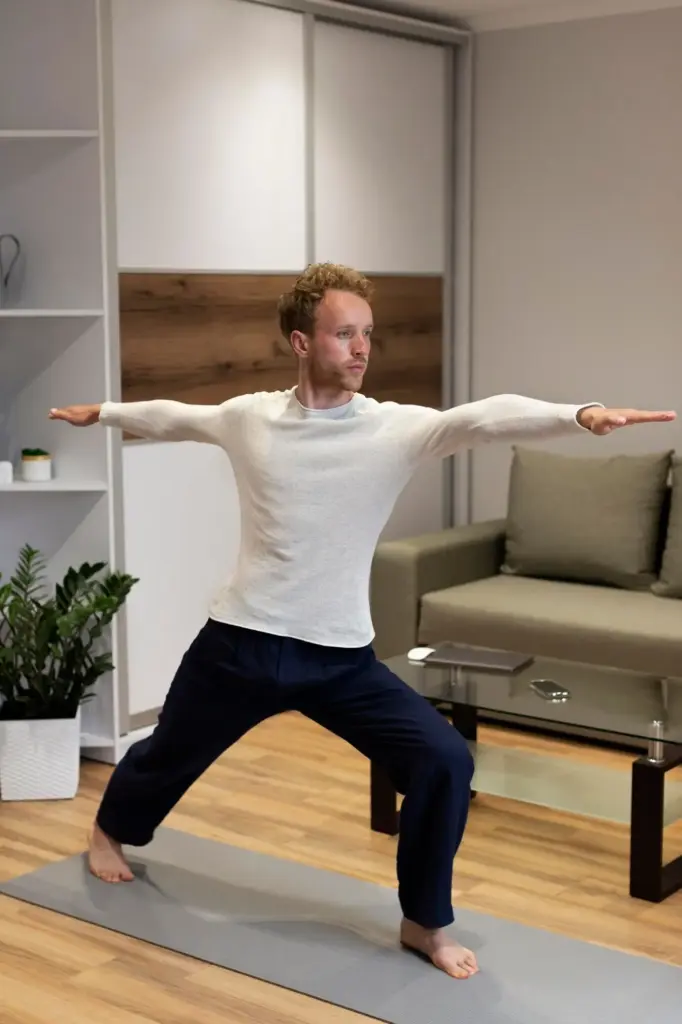
Choose cues you cannot miss: calendar reminders at the top of each hour, the moment you hit send on a big email, or when your meeting room closes. Decide the exact sequence beforehand, then act immediately. When the cue fires, start. No debating, no negotiating—just two minutes. Over time, the link between cue and movement becomes automatic, making follow-through surprisingly effortless.

Visible Cues and Friendly Nudges

Place a sticky note that says shoulders, ankles, breath near your monitor. Keep a soft ball or mini band on your desk as a visual reminder. Set a low-volume chime on your phone or use a smartwatch vibration. These nudges are not scolding; they are gentle invitations to feel good. If you miss one, smile, and catch the next without guilt or drama.

Desk-Friendly Tools and Adjustments

Setting up your environment makes two-minute breaks smoother and more enjoyable. Small changes amplify comfort: seat height that allows hips slightly above knees, a screen at eye level, and a keyboard that lets shoulders relax. A folded towel, a lacrosse ball, or sliders turn your desk into a mini studio. These tweaks reduce friction, helping you move more, ache less, and stay present longer.

Two-Minute Plans for Different Workdays
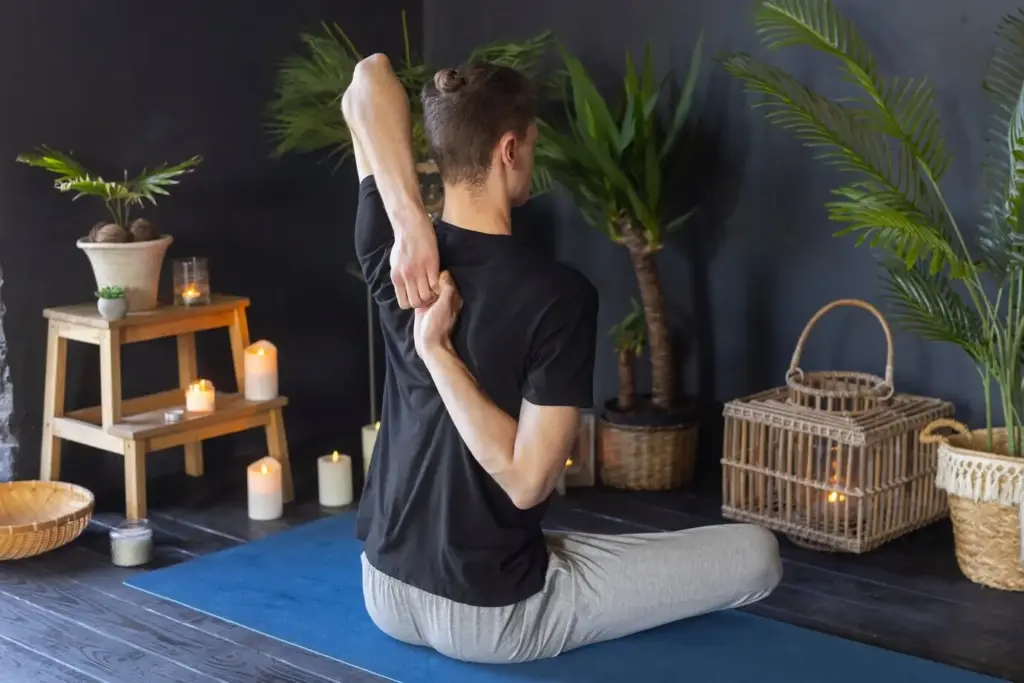
Not all days feel the same. Customize your micro-breaks for meeting marathons, deep-focus sprints, or travel days. On packed schedules, choose silent, subtle drills. During creative bursts, pick energizing sequences that wake hips and upper back. When you are on the go, keep it ultra-simple and portable. Matching mobility to context preserves momentum, protects comfort, and makes each workday feel more predictable and supportive.
Use quiet moves: seated cat-cow, slow neck slides, gentle ankle rocks, and a soft chest opener with relaxed shoulders. Before and after sessions, add ten slow sit-to-stands and a doorway pec stretch. Between calls, take a two-minute hallway walk. These under-the-radar choices keep joints nourished and prevent the stiff, foggy feeling that often arrives after back-to-back conversations.
Pair a 50-minute focus block with a two-minute burst. Choose hip hinges, shoulder circles, and a calming breath pattern. If a tricky problem stalls, stand, perform ankle alphabets and thoracic rotations, then return. The shift in sensations refreshes attention without breaking flow. By afternoon, your back still feels cooperative, and your brain reaches for solutions with surprising ease.

Buddy System Momentum

Choose a colleague who appreciates practical wellness. Agree on a simple cadence: top of the hour, or after major deliverables. Send a friendly emoji when you finish your break. If someone misses, respond with encouragement, not pressure. This light, playful accountability transforms an intention into a shared ritual that lifts mood and performance more reliably than lone-wolf plans.

Share Wins and Learnings

Keep a living list of moves that actually work during your busiest times. Post discoveries—like how five shoulder circles before presentations calm your voice—in your team space. Ask others for their go-to resets. Patterns emerge, revealing which drills pay off fastest. The growing library saves everyone time and turns scattered tips into a practical, adaptable playbook for feeling better at work.

Mini Challenges and Check-Ins

Run a five-day, two-minute streak challenge with flexible options. Provide a printable checklist and a playful badge for completion. End each day with a quick reflection: When did movement feel easiest? What cue worked best? These small check-ins build awareness, refine strategies, and help the habit survive real-life chaos, long after the initial excitement fades from the first week.


Kixumoniramipufepe
Privacy Overview

This website uses cookies so that we can provide you with the best user experience possible. Cookie information is stored in your browser and performs functions such as recognising you when you return to our website and helping our team to understand which sections of the website you find most interesting and useful.