Breathe, Reach, Release: Tiny Moves That Calm Big Storms
Today we explore breath-synchronized mini stretches for stress relief, blending small, focused movements with intentional inhales and longer, softer exhales. Expect practical micro-routines you can use at your desk, between meetings, or before sleep, plus science-backed insights and gentle stories that make calm feel reachable. Share your experiences, ask questions, and let these simple practices turn tension into steadiness, one measured breath at a time.
Inhale for Space, Exhale for Softness
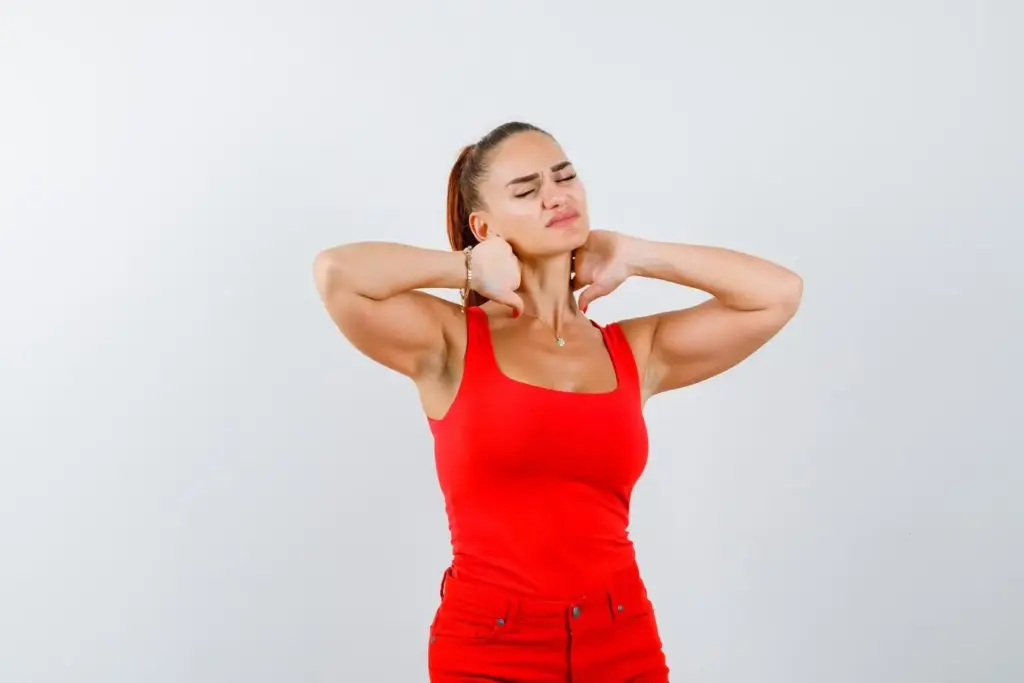
Let each inhale subtly lengthen your shape, as if creating a few millimeters of new room around tight places. On each exhale, melt tension as if it were warm wax, letting gravity participate kindly. Keep the movement so small that your breath remains smooth and unforced. This gentle ebb and flow builds trust in tissues and mind, making relief reliable instead of accidental.
The 4–6 Rhythm That Settles Nerves
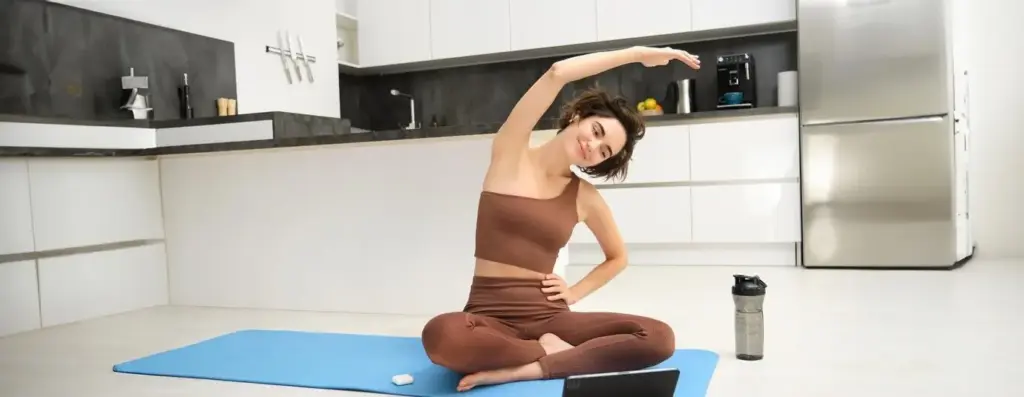
Try inhaling for a comfortable four, exhaling for six, and keep movements tiny enough to match the breath without strain. The longer exhale taps the parasympathetic system, guiding your pulse toward steadier beats and calmer thoughts. If counting distracts you, hum softly on the exhale or imagine mist on a window fading slowly. Consistency matters more than perfection; let relaxation accumulate like interest.
Micro-Stretch, Macro-Effect
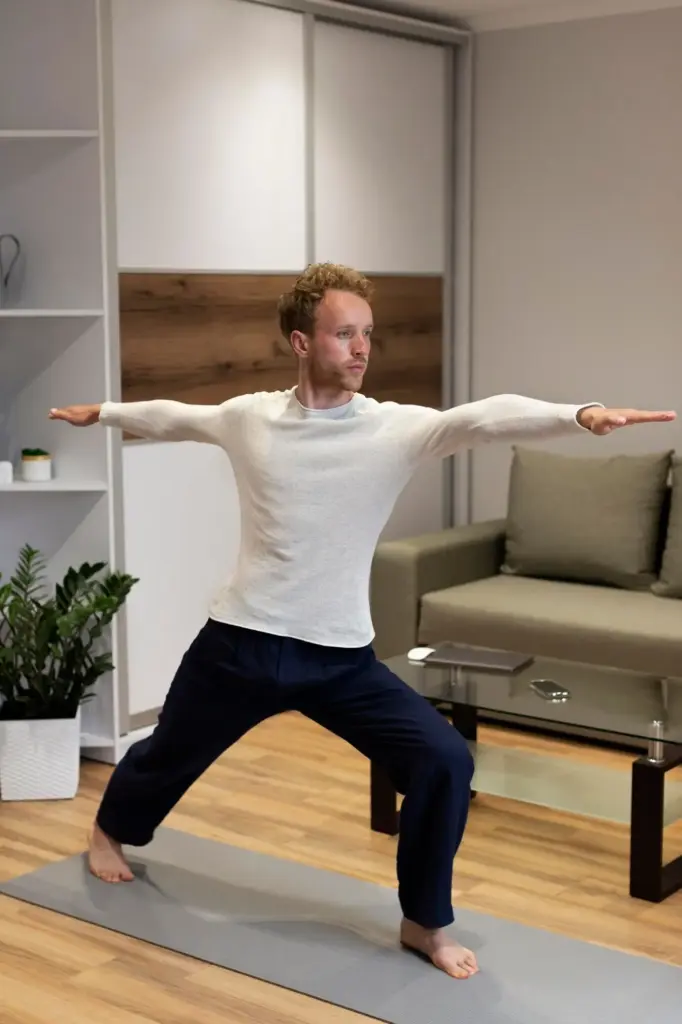
Small movements travel farther than you think because the body reads safety, not intensity. Gentle repetitions cue the fascia to hydrate and slide, relieving hotspots without provoking guarding. I once eased a throbbing jaw by merely tracing a tiny ear-to-shoulder arc, exhaling a fraction longer each time. The sensation shifted from sharp to warm in under a minute, proving subtlety can be surprisingly potent.
At Your Desk, Without Raising Eyebrows
You can release a surprising amount of tension without standing up or drawing attention. Think of discreet breath-paired motions that fit inside office rhythms: a soft neck loop timed to a patient exhale, a hand flex synchronized with a steady inhale. Keep eyes soft, jaw unhooked, and shoulders heavy. A minute borrowed between emails can restore clarity, making your next decision kinder, quicker, and more accurate.
Rituals for Morning, Noon, and Night
Bookend your day with breath-paced micro-stretches so calm becomes your default, not a lucky accident. A brief morning wake-up primes circulation and focus; midday resets prevent tension from snowballing; evening melts help sleep arrive without negotiation. Consistency is your silent coach. Track sensations rather than metrics: steadier breath, warmer hands, slower blink. These little proofs of relaxation make perseverance natural and build trust in your body’s quiet intelligence.
Sunrise Shoulder Opener
Upon waking, sit or stand and sweep shoulders up on a gentle inhale, then roll back and down on a long exhale, as if tucking feathers smoothly into place. Keep the movement small and luxurious, not military. Three rounds usually ignite pleasant warmth across the chest and upper back. Finish with a slow neck nod, exhaling longer each time. Invite sunlight or imagined brightness to fill the space you just created.
Midday Reset Walk with Breath Sync
Stand and take ten quiet steps, inhaling over two steps and exhaling over three or four. On each exhale, subtly lengthen the back of the neck and relax the fingers to signal safety. If walking is impossible, march seated, heels tapping lightly. The pattern turns restless energy into rhythm, refreshing focus without caffeine. Feel the sense of control return as your exhale steadies your internal metronome and softens mental noise.
Nighttime Floor Melt
Lie down with calves on a chair, hands on belly, and inhale to gently widen the back ribs into the floor. Exhale slowly through pursed lips, letting the tail settle and the jaw unhook. After four breaths, add tiny windshield-wiper knees synced to your breath. The entire sequence invites the spine to let go of the day’s load. Many fall asleep faster, with fewer 3 a.m. thought loops demanding attention.
Physiology You Can Feel
Longer exhales nudge the vagus nerve, encouraging heart rate variability and a calmer stress response. Slow, gentle loading tells fascia to hydrate and slide, easing stiffness without defensive bracing. Golgi tendon organs and muscle spindles cooperate when effort is low, relaying safety rather than alarm. The result is a nervous system willing to downshift. What reads as relaxation is actually clever biology working elegantly in your favor.

Why Exhale Is Your Superpower
Exhalation slightly stimulates parasympathetic pathways that stabilize heartbeat and lower the sense of urgency. Pairing exhale with the easing phase of a stretch compounds the effect, like tapping two calming buttons at once. You can feel it in warmer fingers, softer eyelids, and quieter self-talk. When deadlines roar, lengthen your next three exhales and keep movements miniature. Notice how your attention widens and choices become kinder, not smaller.
Fascia Loves Patience
Your body’s connective web responds most to slow, sustained, low-load movement rather than aggressive tugging. Micro-stretches ride the breath to deliver exactly that: patient, even pressure that invites gliding rather than gripping. Imagine smoothing a wrinkle with a warm hand, not ironing it with heat. Over days, stiffness yields, and range returns without drama. This is why gentle consistency often outperforms heroic sessions that leave you frazzled or sore.
Safe Range Builds Confidence
When you move just inside comfortable limits, muscle spindles stop shouting, and the brain learns that expansion is safe. Pair this with a steady exhale, and your protective reflex quiets rapidly. It feels like a door cracking open from the inside. Tiny, repeatable success makes practice sustainable. Track sensations—ease, warmth, smoother turns—rather than chasing extremes. Confidence grows, tension retreats, and your day acquires a noticeable lightness without forcing anything.
Pain Is Not a Badge
Discomfort that sharpens or spreads is a stop sign, not a challenge. Switch to smaller arcs, slower breath, or a different position that feels neutral. The goal is soothing your system, not proving toughness. Celebrate subtle wins like easier turning or a jaw that stops clenching. Write down what helped and when. Your log becomes a friendly map, so you can revisit the exact pathway that softened today’s tension.
Breathe, Don’t Bottle It
Avoid holding your breath during effort; it secretly amplifies tension and spikes pressure. If you catch yourself bracing, smile gently and lengthen the next exhale by one or two counts. Humming or whispering “sssss” can guide the pace. Lightheadedness is a cue to pause, sit, and breathe naturally until steadiness returns. Treat yourself like a trusted friend, and your body will answer with less guarding and more cooperation.
Make It Stick
Tiny rituals thrive when they piggyback on routines you already keep. Attach a one-minute sequence to brewing coffee, opening your laptop, or brushing teeth. Use gentle cues like phone reminders that disappear after two breaths. Invite a friend or coworker to join and compare what worked. Share your favorite exhale length in the comments. Repetition builds reliability, and reliability builds calm, turning micro-stretches into your quiet daily anthem.
Sixty Seconds, Real Results
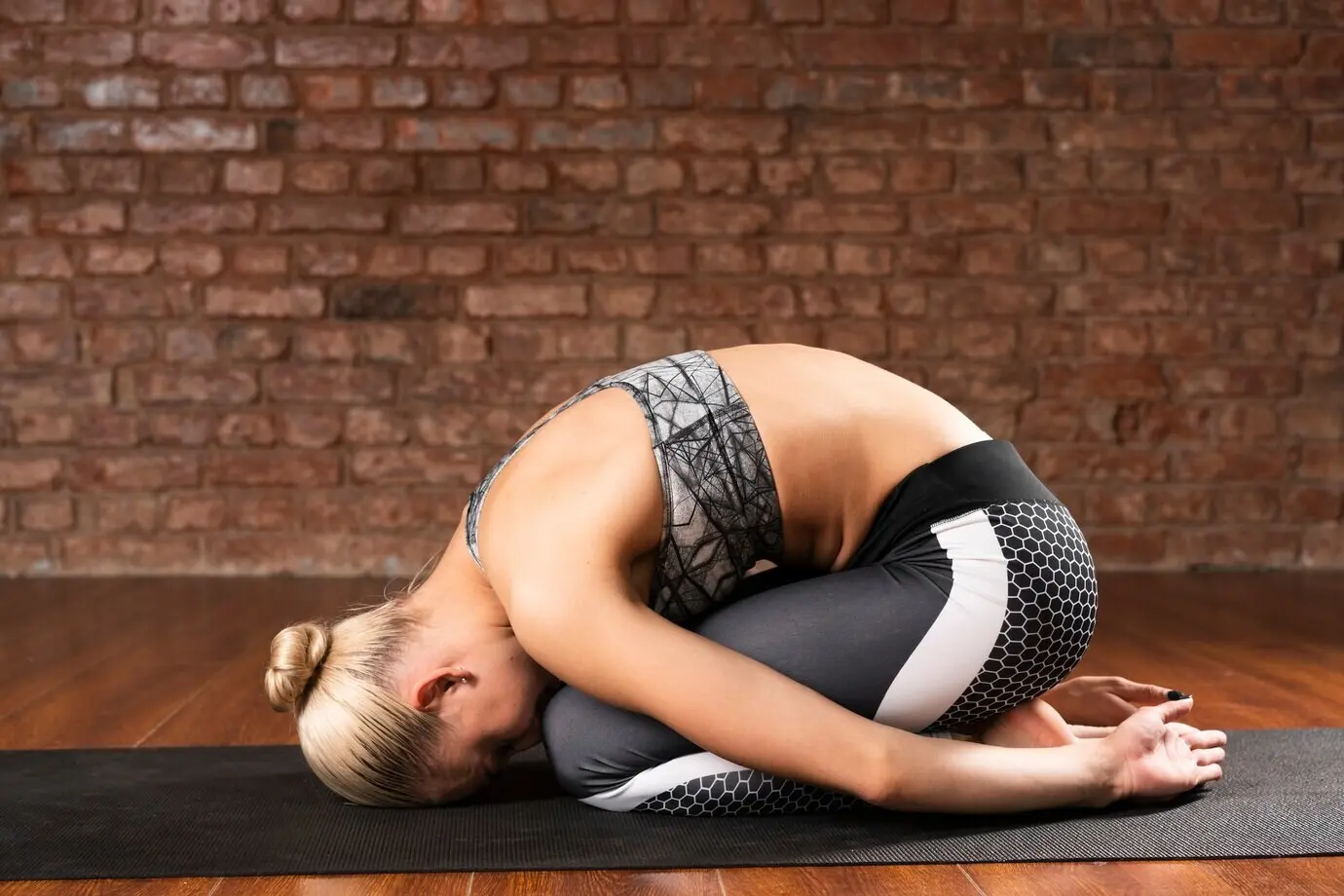
Set a repeating timer for every ninety minutes and spend one minute on breath-synced micro-moves. Two neck halos, three wrist sighs, four long exhales—done. Keep a sticky note with your sequence nearby. You will notice afternoons feel less jagged, decisions cleaner, and shoulders less eager to climb. Post your go-to set below; someone else might need exactly your simple routine to reclaim a hectic day.
Habit Stacking for Busy Brains
Pair your micro-stretches with anchor habits like logging in, refilling water, or closing tabs. The cue does the remembering for you. Keep movements tiny so interruptions are easy to navigate without frustration. Over time, the anchor and the ritual fuse, delivering relief without negotiation. Celebrate streaks, not perfection. Share what you stack with in a quick message, and borrow others’ ideas to keep your practice fresh and inviting.
An SOS Protocol for Spikes
When stress surges, try this three-breath drill: inhale gently, exhale longer while dropping shoulders; inhale gently, exhale longer while unclenching jaw; inhale gently, exhale longer while softening belly. Add a fingertip press between eyebrows on the final exhale. The whole rescue takes under thirty seconds and travels anywhere. Tell us where you used it—train platform, meeting room, bedtime—and how it shifted your inner weather toward steadier skies.


All Rights Reserved.