


Micro-Stretches That Free Your Tech-Tired Neck and Shoulders

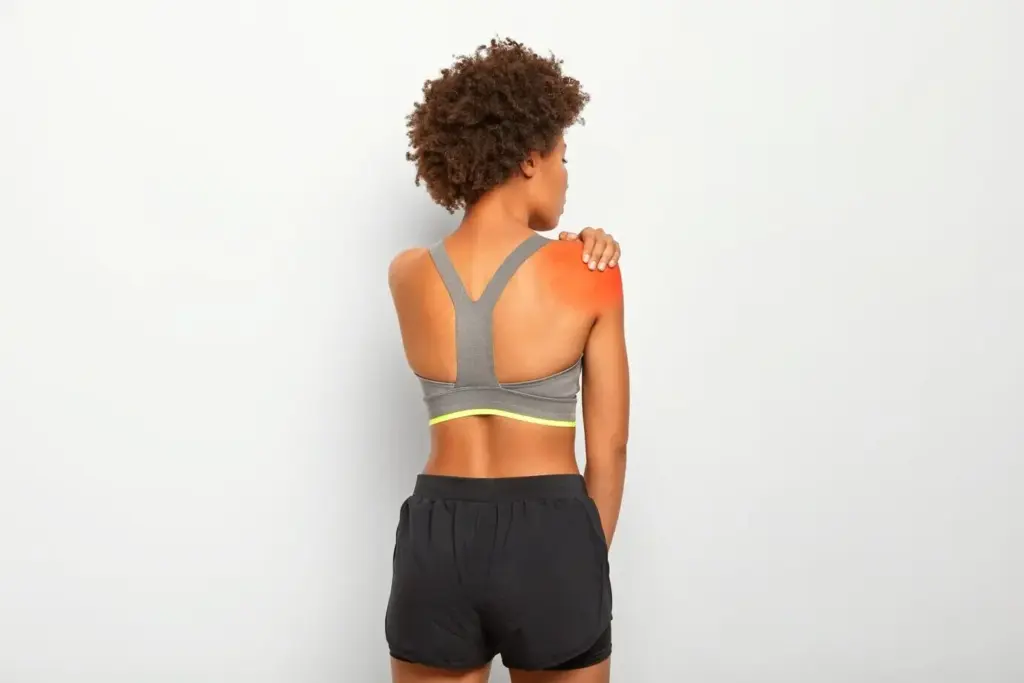
Long hours with screens can leave your neck and shoulders tight, prickly, and tired. Today, we focus on micro-stretches to relieve tech neck and shoulder tension, using tiny, repeatable moves that fit between messages and meetings. Expect science-backed cues, practical routines, and gentle progressions you can try immediately. Bring curiosity, set a timer, and join our community by sharing questions, wins, and reminders that keep everyone moving. Small motions, repeated consistently, create surprisingly big relief across your day.

Why Tiny Movements Work When You Sit All Day

{{SECTION_SUBTITLE}}

Your Neck’s 20-Minute Warning

Around twenty minutes into a fixed posture, cervical tissues begin to complain through dull stiffness and slow-burning fatigue. A quick, gentle sequence interrupts that buildup, offsetting creep in ligaments and low-level ischemia in muscles. Think of it as clearing micro-lactic fog before it thickens. The payoff is cumulative: fewer end-of-day aches, clearer concentration, and a body that trusts you not to ignore its early whispers.

Small Range, Big Relief

You do not need dramatic stretches to feel change. Micro ranges wake up mechanoreceptors that modulate pain signals and calm protective guarding. Subtle chin glides, tiny shoulder blade slides, and short thoracic pulses reintroduce motion without provoking sensitivity. Because the moves are uncomplicated and brief, you will actually repeat them. Repetition teaches your system that movement is safe, turning down the volume on persistent tightness and restoring easy, useful mobility.

A Two-Minute Reset Between Emails

This quick circuit fits neatly between messages, calls, and calendar pings, requiring no equipment and almost no space. It layers three micro-movements that target the neck, shoulder blades, and upper back, all paced by calm, nasal breathing. Expect immediate relief without sweat, strain, or stares from coworkers. Keep it playful: tiny ranges, smooth rhythm, and curiosity about what feels better after thirty seconds, then sixty. Save the sequence, share your tweaks, and revisit whenever your neck starts whispering.

Shoulder Ease Without Leaving the Chair

Your shoulders crave options more than intensity. These seated micro-stretches restore choices for overtaxed muscles, especially the upper trapezius and levator scapulae that hold your head like a bowling ball all day. By pairing tiny motions with breath, you reduce protective bracing and improve glide where nerves and fascia meet. The best part: you can do each move in quiet moments, camera off or on, between thoughts, without breaking your flow or losing your place.

Upper Trapezius Melt

Lightly anchor your right hand under the chair seat. Float your left ear toward your left shoulder until you feel a gentle stretch on the right side of your neck. Then add a micro nod, as if agreeing slowly, for five tiny pulses. Breathe out softly with each pulse. Switch sides. Keep everything feather-light. The combination of side bend and nod coaxes layered fibers to relax without tugging, delivering relief that lingers beyond the minute.
Levator Scapulae Friendly Turn

Sit tall, turn your head gently toward your right armpit like you are smelling your sleeve, then add a tiny downward nod. With your right hand, barely guide the back of your head for the lightest encouragement, not a pull. Exhale and imagine fogging a mirror. Five slow breaths, then switch. This precise angle targets the levator without provoking it, reducing the snipey tension that often spikes during deadlines or marathon messaging sessions.
Desk-Edge Pec Unwind

Place your right forearm vertically on the desk edge with your elbow slightly below shoulder height. Keep ribs soft, then rotate your breastbone away a few degrees, pause, and return. Think of your shoulder blade gliding gently. Five or six tiny arcs, breathing easy, then swap sides. Opening pec fibers microscopically reduces forward pull on the shoulders, which helps the neck stack with less effort. Expect easier breathing and a subtle lift without rigid posture cues.
Breath, Posture, and Setup That Amplify Results

Micro-stretches land best when your breath is calm and your setup supports relaxed alignment. Forget rigid marching orders; aim for adaptable stacking that makes comfort effortless. Nasal breathing reduces neck tension by lowering sympathetic overdrive, while a neutral ribcage keeps upper traps from jumping in. Small equipment tweaks matter more than expensive gear. Adjust your environment to invite frequent movement, and use posture as a living rhythm rather than a frozen position you must constantly micromanage.

Breathing Low and Quiet

Inhale through the nose, letting the breath expand low around the waistband instead of climbing into your neck. Exhale longer than you inhale, whispering through pursed lips like blowing across a straw. This pattern signals safety to your nervous system, reducing jaw clench and shoulder guarding. Pair it with micro-stretches to amplify release. Three cycles before a chin glide can transform the feel, turning effort into ease and making relief arrive faster with less fuss.

Stacked Head over Heart

Rather than forcing your shoulders back, imagine a helium balloon lifting your crown while your sternum softens. Your head stacks over your heart, your heart over your pelvis, and the ribs rest quietly. This arrangement spreads workload evenly across muscles and joints. Now the neck does not need to grip for balance. Return to this image whenever fatigue creeps in. It is permission for your body to use leverage instead of brute force all day.

Screen and Chair Tweaks

Raise your screen so the top sits at or slightly below eye level, invite the keyboard close, and keep the mouse shoulder relaxed, not reaching. Sit back against your chair to borrow support, then unlock the backrest so you can fidget freely. A footrest or stacked books can calm fidgety legs without freezing your torso. These tiny adjustments make micro-stretches more effective because your tissues are not constantly dragged forward between helpful breaks.

Make Movement Snacks Automatic

Consistency beats intensity. Build tiny cues into the day so movement happens without debate. Tie stretches to events you already repeat: sending a message, hitting save, or pouring water. Use short reminders that feel friendly, not bossy, and celebrate small wins publicly to spark community energy. When life gets hectic, shrink the habit instead of abandoning it. A thirty-second reset done three times still changes your neck, mood, and focus in noticeable ways.

Habit Pairing That Sticks

Pick one routine anchor—calendar alerts, end of meeting chimes, or coffee breaks—and attach a single micro-stretch sequence to it. Keep the rule laughably easy: one movement before you click send, or one chin glide after each screenshot. Logging streaks helps, but kindness helps more. If you miss, restart at the next anchor without judgment. The smoother the on-ramp, the more your nervous system trusts the practice and rewards you with lasting comfort.

Micro-Challenges with Friends

Invite a colleague or friend to a seven-day tiny-move challenge. Share a daily cue, like the moment your laptop wakes, and swap quick check-ins via emoji or a single sentence. Friendly accountability makes repetition fun and normalizes pausing. Celebrate clever adaptations, not perfection. At the end, compare which moves felt best and why. Your insights help shape future sequences here, and your stories encourage quieter teammates to join without pressure or performance anxiety.

Recovery, Safety, and Real-World Stories

Micro-stretches are gentle, yet listening matters. Your neck houses sensitive structures, and your shoulders reflect stress before you notice. Use comfort as your compass, keep ranges small, and breathe slowly. If tingling, sharp pain, or lingering numbness appears, pause and consult a clinician. Recovery supports include hydration, walking breaks, and enough sleep to let tissues rebuild. We also showcase brief stories from readers whose consistent tiny moves turned workdays from draining to pleasantly productive and surprisingly comfortable.
Kixumoniramipufepe
Privacy Overview

This website uses cookies so that we can provide you with the best user experience possible. Cookie information is stored in your browser and performs functions such as recognising you when you return to our website and helping our team to understand which sections of the website you find most interesting and useful.